.png)
Why Your Tomato Plants Keep Dying in Florida
- Kourtney F
- Apr 8
- 4 min read

Updated: Apr 10


Tomatoes are one of the most frustrating vegetables to grow in Florida.
Most gardening advice online comes from cooler states where tomatoes can grow all summer long. But in Florida, tomatoes often struggle because of our heat, humidity, pests, and diseases.
If your tomato plants keep dying, it does not mean you are bad at gardening. It usually means you are trying to grow them like you would somewhere else.
Here are the biggest reasons tomatoes fail in Florida — and what to do instead.

1. You Planted Them Too Late
This is the number one reason tomatoes fail in Florida.
Tomatoes are not really a summer crop in most of Florida. In North Florida, tomatoes are usually planted in late winter through early spring. In Central and South Florida, they are often planted even earlier.
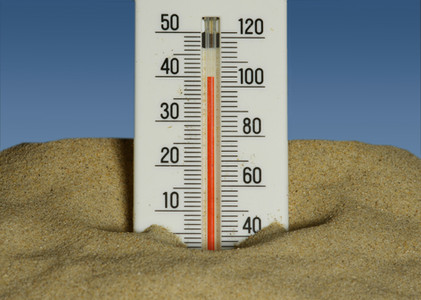
By the time temperatures consistently stay above about 90°F during the day and nights remain above 75°F, tomato plants often stop setting fruit.
In South Florida, many gardeners plant tomatoes from September through February. In Central Florida, most gardeners plant from January through March. In North Florida, planting usually happens from February through April.
If you plant tomatoes in late spring or summer, they may grow leaves but struggle to produce tomatoes.
What to do instead:
Plant earlier than you think
In South Florida, focus on fall, and early spring tomatoes
In North Florida, plant as early as the weather safely allows

2. Florida Heat Stops Tomatoes From Setting Fruit
Tomato flowers need moderate temperatures to form fruit.
When daytime temperatures stay above about 90°F or nighttime temperatures remain above about 75°F, the pollen becomes less viable and flowers may drop without making tomatoes.
This is why many Florida gardeners see healthy-looking plants covered in flowers that never turn into fruit.
What to do instead:
Grow tomatoes during the cooler part of the year
Provide afternoon shade if temperatures become extreme
Choose heat-tolerant varieties when possible
Recommended Florida-friendly varieties include:
Heatmaster
Solar Fire
Amelia
Everglades tomato
Floradade (developed in 1976 by the University of Florida)

3. Florida Humidity Leads to Disease
Florida’s humidity creates ideal conditions for tomato diseases.
Common problems include:
Early blight
Septoria leaf spot
Bacterial spot
Fusarium wilt
Southern blight
These diseases often begin when leaves stay wet for too long.
Signs include:
Yellow leaves
Brown spots
Wilting
Plants suddenly collapsing
What to do instead:
Water at the base of the plant, not overhead
Space plants farther apart for airflow
Mulch around plants to reduce soil splash
Remove diseased leaves quickly

4. Nematodes Are Hiding in Your Soil
One of the least obvious reasons tomatoes fail in Florida is root-knot nematodes.
These tiny pests live in the soil and attack tomato roots, especially in sandy Florida soil.
Plants with nematodes may:
Stay small
Wilt even when watered
Turn yellow
Produce poorly
If you pull up the plant and see swollen, knobby roots, nematodes are likely the cause.
What to do instead:
Rotate where you plant tomatoes
Grow tomatoes in raised beds with fresh soil
Use resistant varieties labeled with an “N”
Add organic matter to improve the soil

5. You Are Watering Too Much — or Not Enough
Tomatoes need consistent moisture, but Florida weather makes that difficult.
Too much water can cause:
Root rot
Yellow leaves
Cracked fruit
Too little water can cause:
Blossom end rot
Wilting
Small tomatoes
What to do instead:
Water deeply 2 to 3 times per week instead of lightly every day
Mulch heavily around the plants
Check the soil before watering

6. You Are Growing the Wrong Tomato Variety
Many popular tomato varieties sold in stores are not a good fit for Florida.
Large heirloom tomatoes can struggle in heat and humidity.
Florida gardeners often have better luck with:
Cherry tomatoes
Everglades tomatoes
Heat-tolerant hybrids
Disease-resistant varieties
Good Florida choices include:
Everglades
Sweet 100
Heatmaster
Solar Fire
Floradade
If you love heirlooms, try growing them earlier in the season before the weather becomes too hot.



7. Tomato Hornworms and Whiteflies Are Taking Over
Florida pests can destroy tomatoes quickly.
Common tomato pests include:
Tomato hornworms
Whiteflies
Aphids
Stink bugs
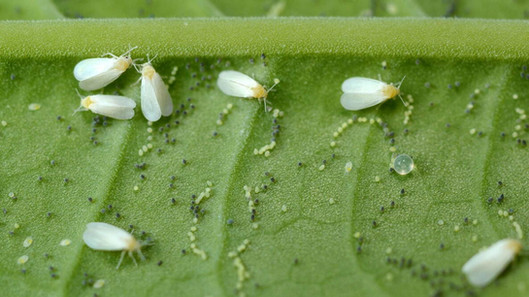
Whiteflies are especially common in South Florida and can spread plant viruses.
What to do instead:
Check plants often
Remove hornworms by hand
Encourage beneficial insects
Use insecticidal soap if needed
Avoid planting tomatoes in the same place every year
The Truth About Tomatoes in Florida
Tomatoes can grow in Florida, but they are not as easy here as many people think.
The key is working with Florida’s climate instead of fighting it.
Plant earlier, choose Florida-friendly varieties, protect against humidity and pests, and do not expect tomatoes to thrive through the hottest part of summer.
Final Thoughts
If your tomatoes keep dying, do not give up.
You may only need to change when you plant, which varieties you choose, or how you care for them.
For many Florida gardeners, a few small changes make the difference between failure and a harvest.


Comments