.png)
Florida Gardening Basics: A Beginner’s Guide to Gardening in Florida
- Kourtney F
- Apr 19
- 3 min read

If you are new to gardening in Florida, you are not alone.
One of the biggest reasons people struggle is because most gardening advice online is written for other parts of the country.
In many states, people plant tomatoes in late spring and harvest all summer. In Florida, tomatoes are often planted in winter or very early spring.
Florida’s heat, humidity, sandy soil, and long growing season make gardening different.
The good news is that once you understand the basics, Florida can be one of the easiest and most rewarding places to garden.

1. Know Which Part of Florida You Live In
Florida is really three different gardening regions:
North Florida: north of State Road 40
Central Florida: between State Roads 40 and 70
South Florida: south of State Road 70
A plant that thrives in Miami may struggle in Jacksonville.
For example:
Mango trees grow best in South Florida.
Peaches and blueberries do better in North Florida.
Tomatoes are planted earlier in South Florida than in North Florida.


2. Florida Has Two Main Gardening Seasons
Unlike much of the country, Florida often has two main planting seasons:
Fall and winter for cool-season crops
Spring and early summer for heat-loving crops
Cool-season crops include:
Lettuce
Broccoli
Cauliflower
Peas
Spinach
Heat-loving crops include:
Okra
Sweet potatoes
Seminole pumpkin
Southern peas
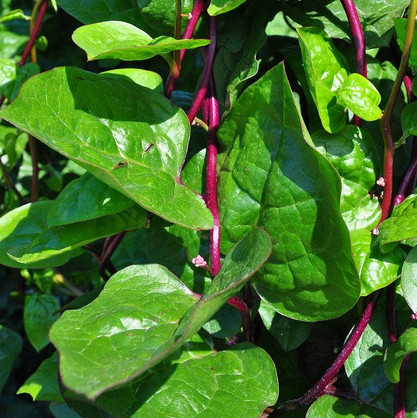
Malabar spinach
One of the most common mistakes beginners make is planting cool-season crops too late.
3. Florida Soil Is Usually Sandy
Most Florida soil drains quickly and does not hold nutrients well.
That means many gardeners have better results if they:
Add compost
Use raised beds
Mulch heavily
Improve the soil before planting
A good basic garden soil mix for Florida is:
Compost
Topsoil
Pine bark fines or coconut coir
If your soil is very sandy or difficult, raised beds are often the easiest solution.

4. Most Florida Gardens Need More Mulch Than You Think
Mulch is one of the easiest ways to make gardening easier in Florida.
Mulch helps:
Keep soil cooler
Hold moisture
Reduce weeds
Protect roots from heat
Most gardens do best with 2–3 inches of mulch.
Keep mulch a few inches away from plant stems and tree trunks.

5. Water Deeply, Not Every Day
Many Florida gardeners accidentally overwater.
Watering lightly every day often leads to shallow roots and disease.
Instead:
Water deeply 2–3 times per week
Check the soil before watering
Water early in the morning if possible
Plants in containers may need water more often because they dry out faster.

6. Sun Matters More Than Most People Realize
Many vegetables need at least 6–8 hours of sun each day.
Good full-sun plants include:
Tomatoes
Peppers
Okra
Basil
Plants that can handle some shade include:
Coontie
Mint
Lettuce in winter
Ferns
If a plant is in the wrong place, it may never grow well no matter how much you water or fertilize.


7. Choose Plants That Actually Like Florida
One of the easiest ways to succeed is to stop fighting Florida’s climate.
Instead of planting vegetables and flowers that struggle in heat and humidity, choose plants that naturally do well here.
Good beginner plants for Florida include:
Okra
Basil
Seminole pumpkin
Firebush
Coontie
Sweet potatoes
Pentas


8. Expect More Pests and Disease Than Other States
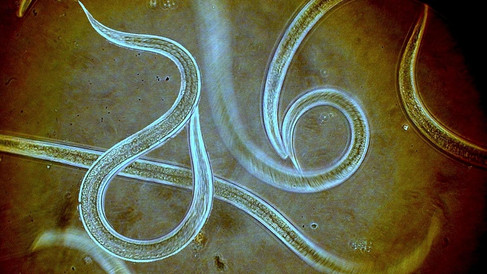
Florida’s warm climate means pests and diseases stay active much longer.
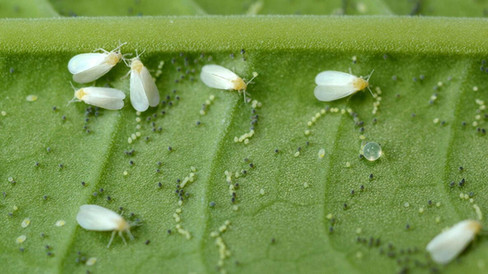
Common Florida garden pests include:
Whiteflies
Aphids
Caterpillars
Spider mites
Chinch bugs
The best way to handle them is to check your plants often and catch problems early.
Final Thoughts
Florida gardening becomes much easier when you stop following advice meant for other states.
Once you understand your region, your planting season, and which plants actually like Florida, you will have much more success.
Start simple, grow what works, and let your garden teach you.


Comments