.png)
Earth Day Special — 7 Easy Ways to Help Florida Pollinators in Your Own Yard
- Kourtney F
- Apr 20
- 2 min read


For Earth Day, it is easy to think that helping the environment has to mean doing something huge.
But one of the best things you can do for Florida wildlife can start in your own yard.
Butterflies, bees, hummingbirds, and other pollinators need more food and habitat than many neighborhoods currently provide. Even a small garden, patio, or corner of your yard can help.
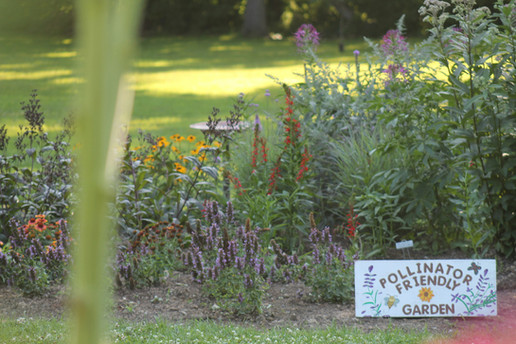
Here are 7 simple ways to make your yard more welcoming to Florida pollinators.
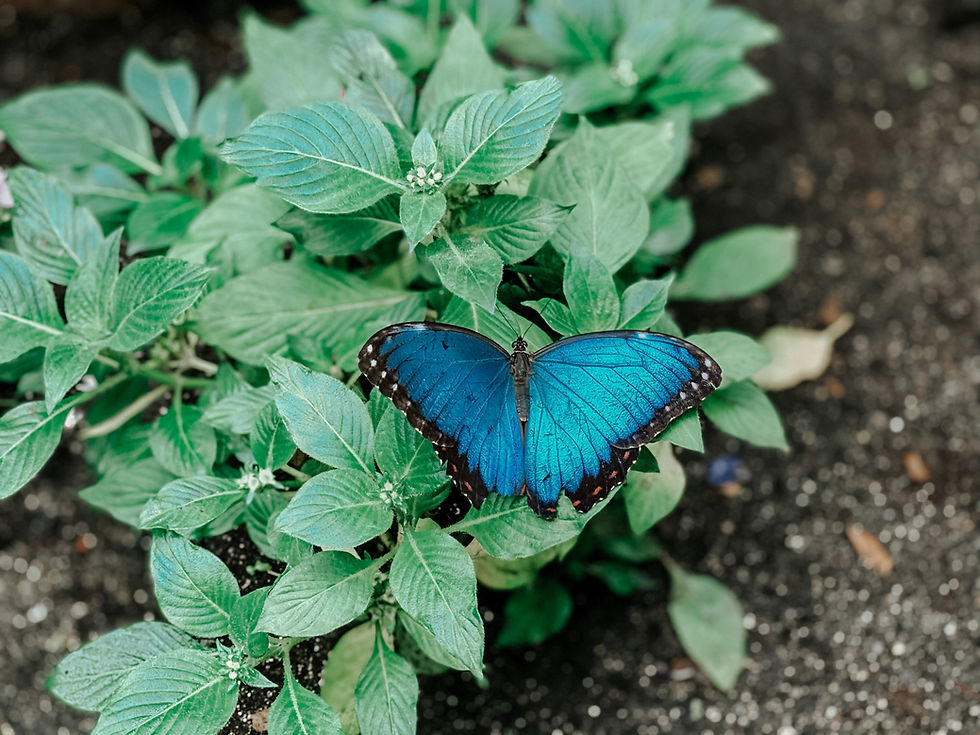
1. Plant Native Flowers
Native plants are one of the best things you can add to your yard because they naturally provide food and habitat for Florida pollinators.
Good Florida native plants for pollinators include:
Tropical sage
Firebush
Milkweed
Coontie
Tickseed
Blue porterweed
Coral honeysuckle
These plants attract butterflies, bees, and hummingbirds while usually requiring less water and care than non-native plants.

2. Grow a Host Plant, Not Just Flowers
Many people plant flowers for butterflies, but butterflies also need places to lay eggs and raise caterpillars.
These are called host plants.
Examples:
Milkweed for monarch butterflies
Coontie for atala butterflies
Corkystem passionflower for zebra longwing and gulf fritillary butterflies
If you only plant nectar flowers, butterflies may visit for a moment and leave. Host plants help them stay.


3. Leave One Small Area Wild
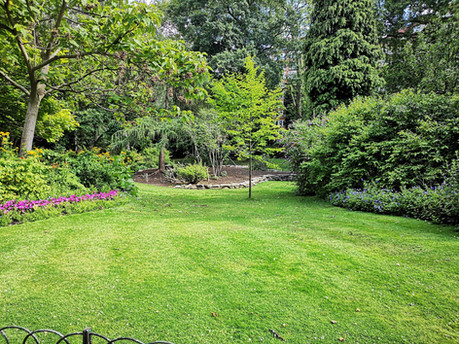
Your yard does not have to be perfectly neat everywhere.
Leaving one small corner a little more natural can provide shelter for butterflies, bees, and other wildlife.
You can:
Let native flowers reseed
Leave a small patch of leaves or mulch
Allow one corner to stay more natural
Even a small “wild” area can make a difference.

4. Add Water for Pollinators
Pollinators need water too.
A simple shallow dish filled with water and a few stones gives butterflies and bees a safe place to land and drink.
Keep the water shallow and refresh it often.
5. Avoid Pesticides When Possible
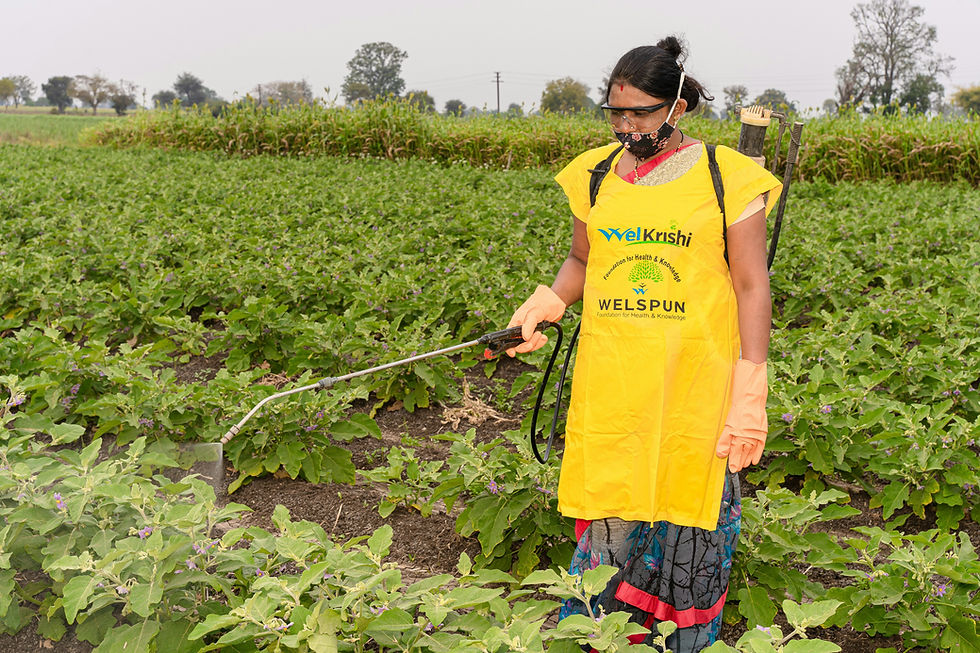
Many common lawn and garden sprays can harm butterflies, bees, and other beneficial insects.
Instead of spraying automatically:
Check plants often
Remove pests by hand when possible
Use insecticidal soap only when needed
Spray in the evening after pollinators are less active

6. Plant Something That Blooms in Every Season
Pollinators need food year-round.
Try to plant a mix of flowers so something is blooming in every season.
For example:
Spring: Tickseed and milkweed
Summer: Firebush and tropical sage
Fall: Muhly grass and goldenrod
Winter: Pentas and blue porterweed in South Florida

7. Support Local Florida Nurseries & Farmers
One of the easiest ways to help pollinators is to buy plants from local Florida growers and native plant nurseries.
Local nurseries are more likely to carry plants that actually work in your area and may be less likely to use chemicals that harm pollinators.
Final Thoughts
You do not need a huge yard or a perfect garden to help Florida pollinators.
Even one milkweed plant, one small butterfly garden, or one shallow water dish can make a difference.
Earth Day is a reminder that small actions matter.


Comments