.png)
10 Florida Plants That Survive Heat and Neglect
- Kourtney F
- 5 days ago
- 4 min read

Updated: 3 days ago

As the end of May nears, Florida gardeners know what's coming: hotter afternoons, rising humidity, and long stretches of intense sunshine. Summer isn't officially here yet, but your landscape already feels the pressure. If you've ever planted something gorgeous only to watch it collapse after a missed watering or a few scorching days well, you're definitely not alone.
The good news? Plenty of Florida plants that survive heat and neglect are practically built for these conditions. Better yet, many are Florida native plants, meaning they evolved right here and naturally handle the state's heat, sandy soils, humidity, and occasional drought.
Whether you're a busy homeowner, a beginner gardener, or someone looking to create a beautiful landscape without spending every weekend pulling weeds and dragging hoses around, these hardy picks can make life easier.
Let's dig in.
Why Florida Native Plants Make Gardening Easier
Florida native plants have a major home court advantage, they've already adapted to local conditions over thousands of years. Unlike imported ornamentals that often demand constant care, natives usually need less water, less fertilizer, and fewer pesticides.
The Benefits of choosing native and Florida-friendly plants:
Lower water usage
Better drought tolerance
Fewer pest issues
Supports pollinators and wildlife
Reduced maintenance
Handles Florida's intense sun and humidity
According to the Florida Native Plant Society, native landscaping also helps restore local ecosystems and supports birds, butterflies, and beneficial insects.
Helpful resource:https://www.fnps.org
Now let's look at ten superstars that can take the heat.

1. Firebush (Hamelia patens)
Firebush might as well be the poster child for Florida plants that survive heat and neglect.
This fast-growing native shrub explodes with bright orange-red tubular flowers that hummingbirds and butterflies absolutely love.
Why it works:
Loves full sun
Heat and humidity tolerant
Drought resistant after establishment
Blooms nearly year-round in South Florida
Firebush can grow quite large in the landscape, often reaching 6–10 feet.
Beginner container tip:
Use a large decorative container with drainage holes. Keep it trimmed for a manageable patio plant.

2. Coontie (Zamia integrifolia)
Coontie is one of Florida's oldest native plants—seriously, it dates back to prehistoric times.
It resembles a small palm but is actually a cycad. Coontie handles neglect like a champ.
Benefits:
Extremely drought tolerant
Handles sun or partial shade
Native Florida species
Requires very little maintenance
As a bonus, it's the host plant for the rare Atala butterfly.
Container gardeners love Coontie because it stays compact and doesn't need frequent watering.

3. Muhly Grass (Muhlenbergia capillaris)
Come fall, Muhly Grass becomes a showstopper with fluffy pink blooms that look almost like cotton candy floating over your landscape.
But during summer heat? It just keeps doing its thing.
Why gardeners love it:
Thrives in sandy soils
Drought resistant
Handles salt spray
Native to Florida
Plant several together for dramatic curb appeal.
Beginner tip:
Don't overwater. Many new gardeners accidentally lover water plants to death.

4. Blanket Flower (Gaillardia pulchella)
Need color without constant attention?
Blanket Flower brings cheerful red, orange, and yellow blooms while shrugging off heat.
This wildflower thrives in:
Poor soil
Full sun
Hot weather
Drier conditions
Pollinators can't get enough of it.
Container planting advice:
Use lightweight potting mix rather than garden soil in containers. Soil from your yard becomes compacted and drains poorly.

5. Simpson's Stopper (Myrcianthes fragrans)
Funny name, fantastic plant.
Simpson's Stopper is a Florida native shrub that produces fragrant white flowers and colorful berries birds adore.
Advantages:
Heat tolerant
Evergreen
Works as hedge or accent plant
Handles drought after establishment
Its smooth bark peels attractively as it ages, adding visual interest year-round.
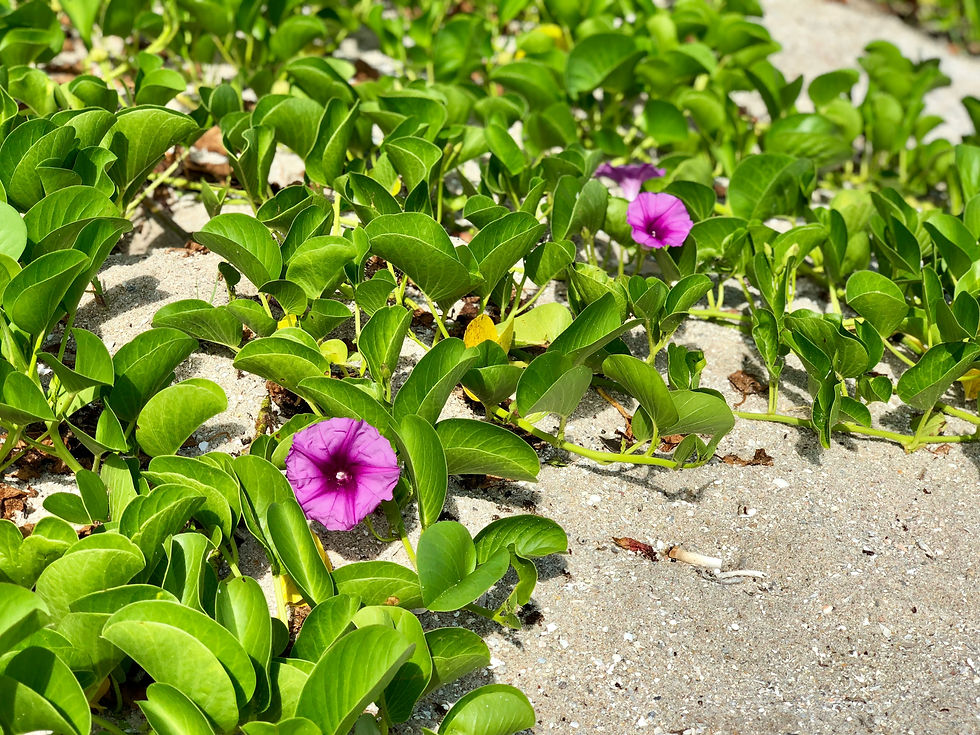
6. Railroad Vine (Ipomoea pes-caprae)
If you've visited Florida beaches, you've probably seen Railroad Vine creeping along dunes.
There's a reason.
This plant laughs at harsh conditions.
Features:
Salt tolerant
Wind resistant
Handles intense heat
Purple morning-glory style flowers
Ideal for erosion control and coastal landscapes.
Container gardeners can also let it spill beautifully over hanging baskets or large containers.

7. Beautyberry (Callicarpa americana)
Beautyberry earns its name every fall with clusters of striking purple berries.
But even during Florida's hottest months, this native shrub remains surprisingly tough.
Why homeowners choose it:
Wildlife-friendly
Heat resistant
Tolerates partial shade
Low maintenance
Birds absolutely love the berries.

8. Sunshine Mimosa (Mimosa strigillosa)
This one is my favorite. When You touch the leaves they fold inward.
Gardeners love it because it forms a low-growing ground cover that survives heat and foot traffic.
Benefits include:
Drought tolerance
Pink puffball flowers
Native pollinator support
Spreads naturally
Perfect for replacing sections of thirsty turf grass.

9. Sea Grape (Coccoloba uvifera)
Sea Grape is practically built for Florida weather.
Their large, round leaves create a tropical appearance while standing up to:
Heat
Salt spray
Wind
Dry conditions
Birds and wildlife also enjoy the grape-like fruit.
Sea Grape can become a large shrub or tree, making it excellent for privacy too.

10. Tickseed (Coreopsis spp.)
Tickseed happens to be Florida's official state wildflower, and thankfully, it's very easy to grow.
Features:
Bright yellow blooms
Heat-loving
Drought tolerant
Excellent for pollinators
Plant masses of Tickseed for a meadow landscape effect.


Comments