.png)
11 Native Florida Plants That Are Perfect To Add To Your Garden This March!
- Kourtney F
- Mar 28
- 3 min read

Updated: Mar 30
If you garden in South Florida, late March is one of the best times to plant natives. The weather is still mild enough for new plants to settle in, and they have time to establish before the hottest and wettest part of summer arrives.
Native plants do more than make your garden look beautiful. They support butterflies, bees, birds, and other wildlife while often requiring less water and maintenance than non-native plants once established.
Here are 11 native Florida plants that are especially good choices to add to your garden this month.


1. Coontie (Zamia integrifolia)
Coontie is Florida’s only native cycad and one of the easiest native plants to grow. It tolerates sun or shade, works well in foundation beds, and stays attractive year-round.
Why plant it now:
Handles South Florida heat well once established
Very drought tolerant
Host plant for the Atala butterfly
Great for both formal and natural-style gardens


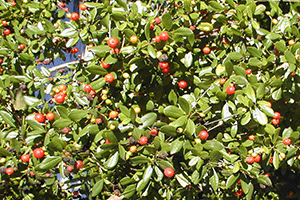


2. Simpson’s Stopper (Myrcianthes fragrans)
Simpson’s stopper is a native shrub that can be used as a hedge, privacy screen, or accent plant. It produces small white flowers followed by red berries that birds love.
Why plant it now:
Flowers attract pollinators
Dense growth creates privacy
Berries support birds
Can be pruned into a neat hedge or left natural
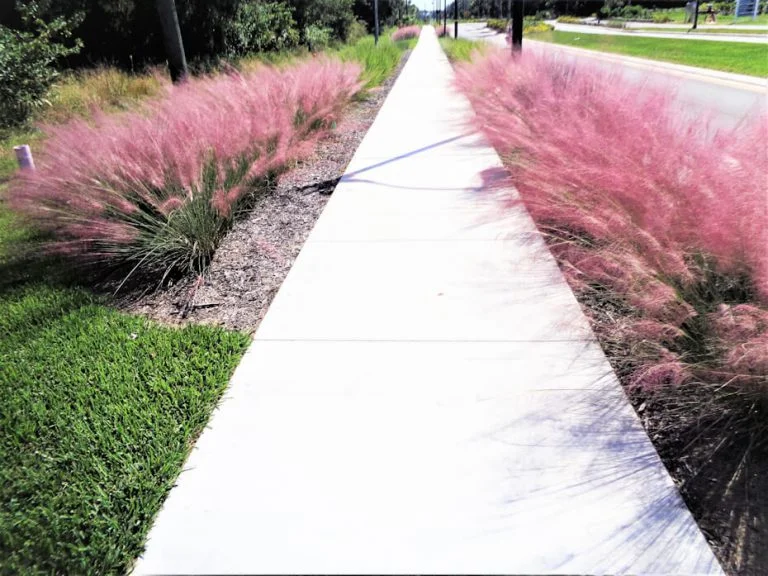

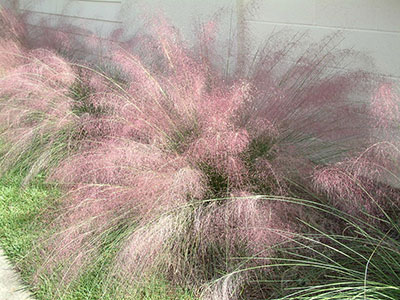
3. Muhly Grass (Muhlenbergia capillaris)
Muhly grass is famous for the soft pink blooms it produces in fall, but March is a great time to plant it so it can become established before its showy season.
Why plant it now:
Thrives in full sun
Drought tolerant after establishment
Adds texture and movement to the garden
Looks beautiful along pathways and borders

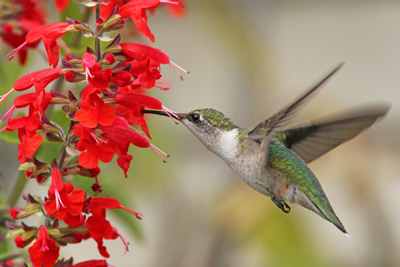

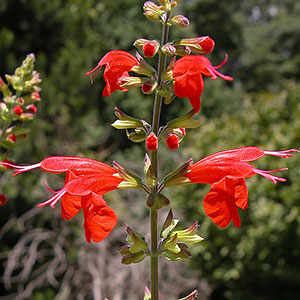
4. Scarlet Salvia / Tropical Sage (Salvia coccinea)
Scarlet salvia is one of the easiest native flowering plants for South Florida gardens. Its red flowers attract hummingbirds, butterflies, and bees.
Why plant it now:
Blooms quickly
Excellent pollinator plant
Can reseed itself naturally
Grows in sun to partial shade


5. Tickseed (Coreopsis species)
Tickseed is Florida’s state wildflower and is known for its cheerful yellow blooms. It works especially well in sunny beds and naturalized areas.
Why plant it now:
Fast-growing spring wildflower
Adds bright color to the garden
Attracts pollinators
Best in full sun and well-drained soil


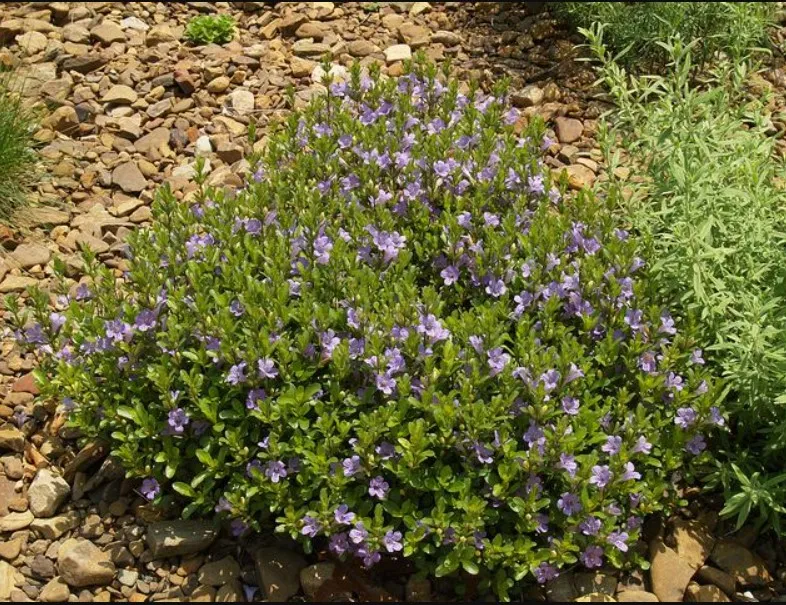
6. Twinflower (Dyschoriste oblongifolia)
Twinflower is a low-growing native perennial that works well as a groundcover. It produces purple flowers and spreads gently over time.
Why plant it now:
Good for filling gaps in sunny beds
Drought tolerant
Attracts butterflies
Stays relatively low and tidy


7. Pineland Goldenrod (Solidago fistulosa)
Pineland goldenrod produces bright yellow flowers later in the year and is excellent for pollinator gardens.
Why plant it now:
Establishes before summer
Provides late-season color
Supports bees and butterflies
Thrives in sandy soils and full sun


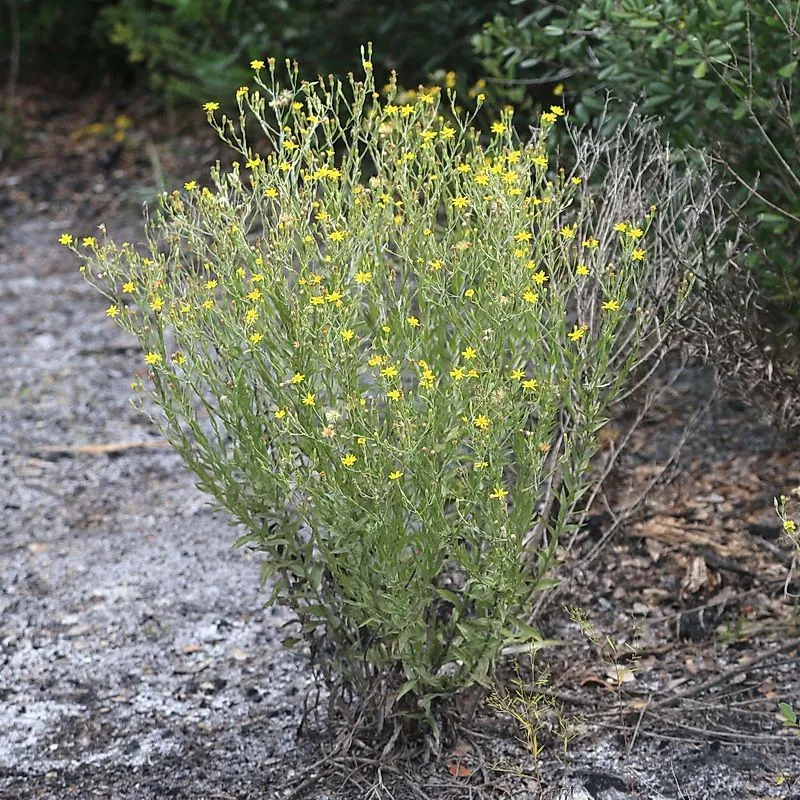
8. Narrowleaf Silkgrass (Pityopsis graminifolia)
Silkgrass is a hardy native with narrow silvery leaves and yellow flowers. It gives gardens a more natural, wildflower look.
Why plant it now:
Extremely drought tolerant
Good for dry, sunny areas
Adds texture and contrast
Fits well in native and pollinator gardens


9. Black-Eyed Susan (Rudbeckia hirta)
Black-eyed Susan is a bright, easy-to-grow wildflower with large yellow petals and dark centers.
Why plant it now:
Quickly adds color
Great for butterflies and bees
Works well in garden beds or wildflower areas
Prefers full sun and good drainage
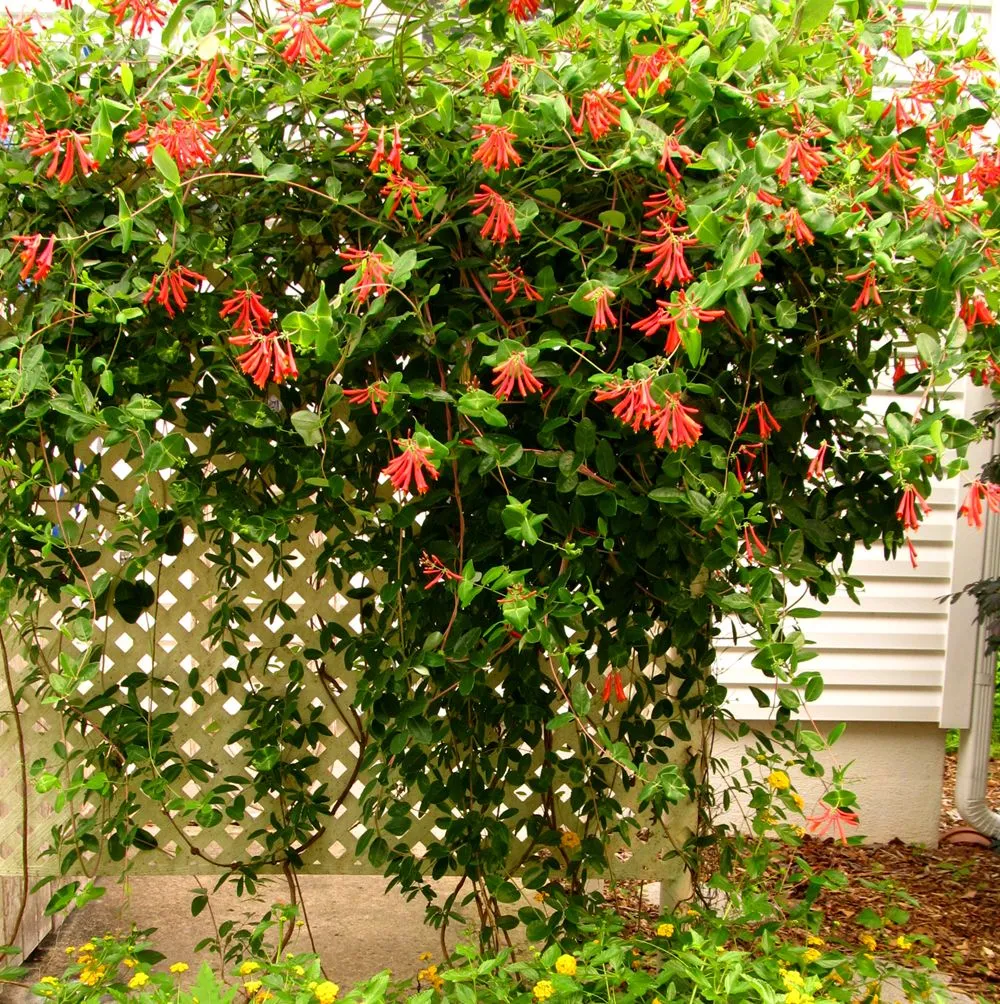


10. Coral Honeysuckle (Lonicera sempervirens)
Coral honeysuckle is a native vine with tubular red flowers that hummingbirds love. It is perfect for fences, trellises, and arbors.
Why plant it now:
Fast-growing in warm weather
Attracts hummingbirds and butterflies
Adds height and vertical interest
Blooms for much of the year in South Florida

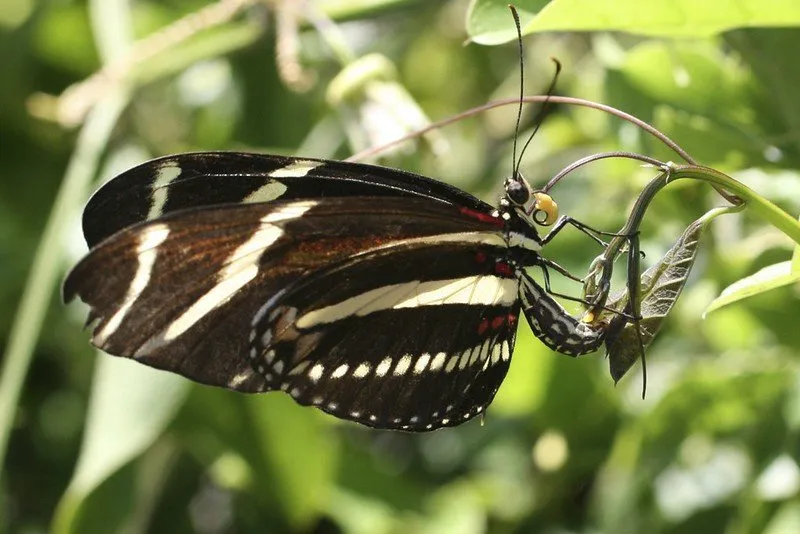
11. Corkystem Passionflower (Passiflora suberosa)
Corkystem passionflower is one of the best native plants for butterfly gardens because it serves as a host plant for zebra longwing and gulf fritillary butterflies.
Why plant it now:
Supports Florida butterflies
Vigorous native vine
Can be trained on fences or trellises
Produces small flowers and dark berries
Why March Is the Perfect Time to Plant
Planting in late March gives native plants time to establish roots before the summer rainy season and extreme heat. For South Florida gardeners, this can make the difference between a plant that struggles and one that thrives.
For the best results:
Match each plant to the amount of sun and moisture in your yard
Water new plants regularly for the first several weeks
Avoid over-fertilizing native plants
Mulch lightly to help hold moisture while plants establish
Want more South Florida gardening tips and monthly planting guides? Join my email list and follow along as I build my garden one native plant at a time.


Comments